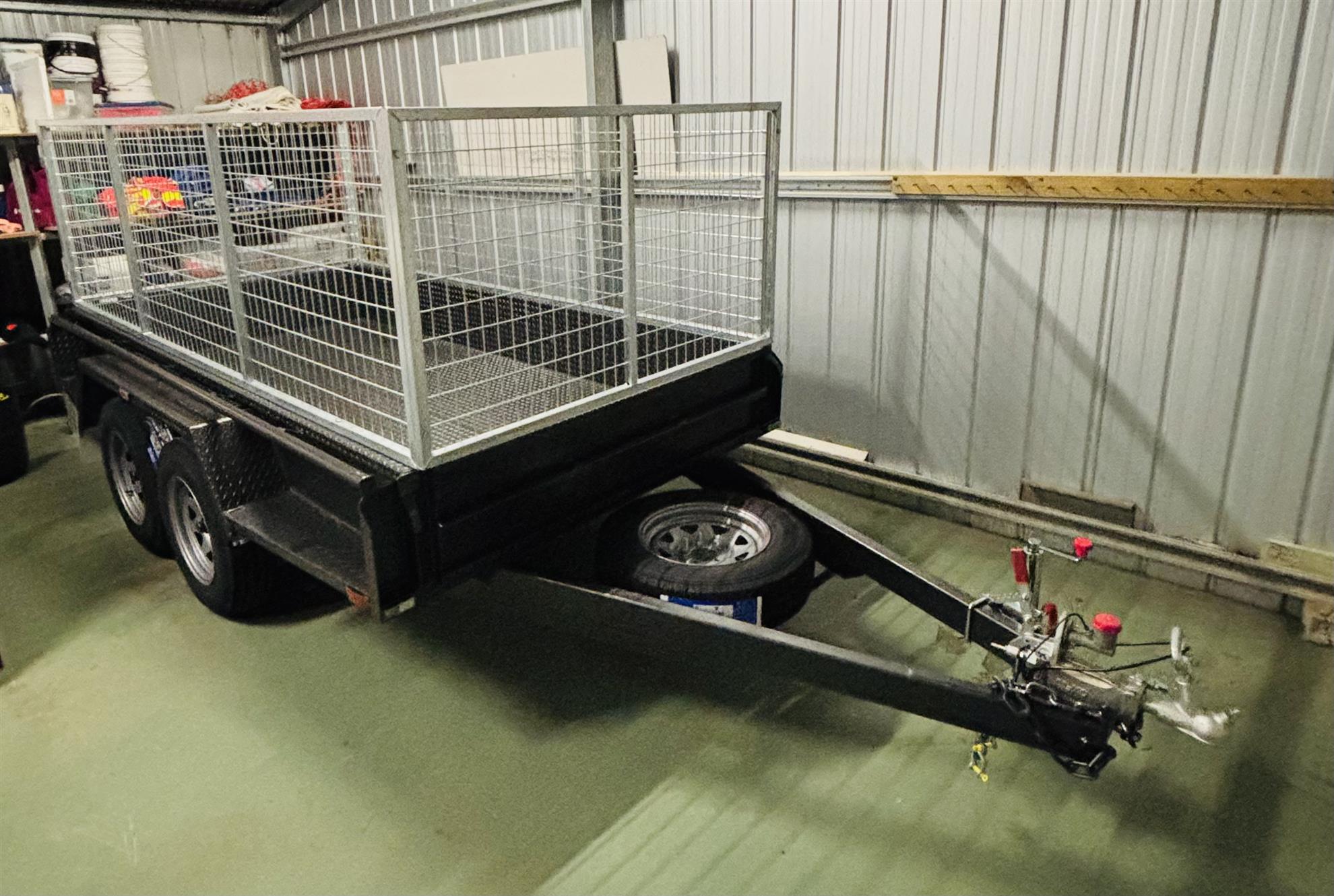
The Rotary Club of Inverloch acknowledges the generosity of the Bass Coast Shire Council for its Community Grant provided in November 2025 that enabled the club to replace its ageing trailer so essential for its Market activities and Community projects.
The Bass Coast Shire’s Community Grants program provides significant support to a variety of local sporting clubs and other community organisations and plays an essential supporting role in the life of our community.
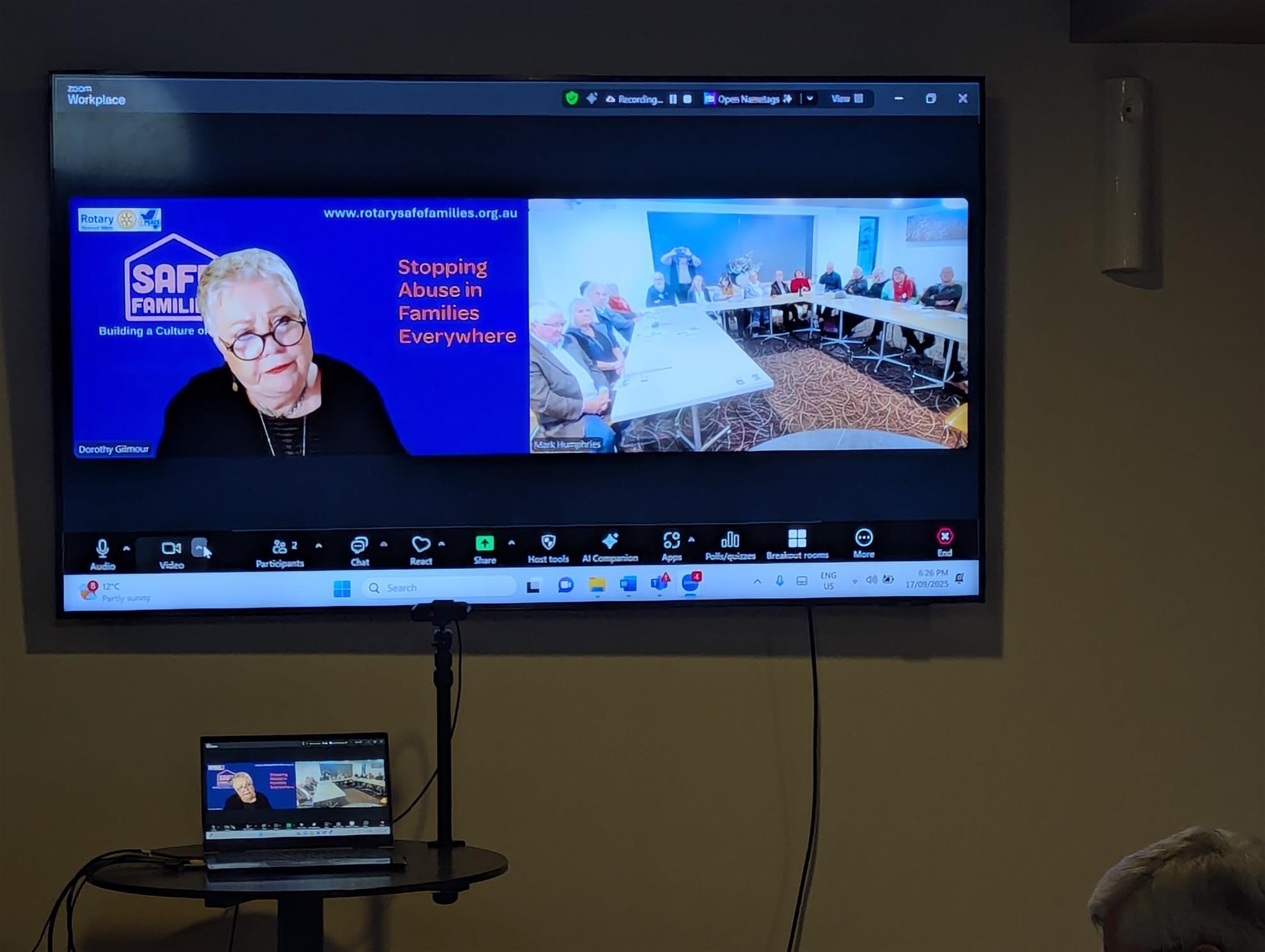
On Wednesday, 17th October, Dorothy Gilmor presented on the history of Rotary Safe Families. How it fits within our community. We heard about how the Police are now supporting the program along with several other government agencies. The program is about the community working together and supporting each other.
In 2016, following an increase in awareness of the prevalence of and hurt caused by family violence in our community, the Rotary Club of Melbourne established a Family Violence Committee and adopted the following pledge: “In keeping with Rotary’s focus on peace, service and supporting community values, the President, Board and Members of the Rotary Club of Melbourne recognise that Family Violence is a major social issue. As Rotarians and leaders in our community, professions and family life, WE pledge to: • Acknowledge that the use of control, abuse and violence against a child, young person or adult is a violation of human rights and commit to uphold the rights of all people to live free from violence. • Raise awareness of the impact family violence is having on the individuals and organisations we are associated with and promote best practice responses for Rotarians to be part of the solution in business and the community. • Support and contribute to projects that build a response to and understanding of Family Violence”. To enable our members meet the Club’s commitment “to promote best practice responses for Rotarians to be part of the solution”, the Family Violence Committee has developed Rotary Safe Families.
Emphasis was placed on the 3 R's
This is the Rotary SAFE Families First Aid “3R’s” of abuse prevention which is applicable to mental health issues?
Recognise signs of mental health issues
Raise your concerns "Safely" with victim
Refer victim 000/support FV organisation OR Make the Call Yourself!
The3R’s can be applied to any form of mental health issues to anyone and any diversity!
Women are active participants in Rotary, serving their communities in increasing numbers and serving in leadership positions in Rotary. The 1989 Council on Legislation vote to admit women into Rotary clubs worldwide remains a watershed moment in the history of Rotary.
“My fellow delegates, I would like to remind you that the world of 1989 is very different to the world of 1905. I sincerely believe that Rotary has to adapt itself to a changing world,” said Frank J. Devlyn, who would go on to become RI president in 2000-01.
The vote followed the decades-long efforts of men and women from all over the Rotary world to allow the admission of women into Rotary clubs, and several close votes at previous Council meetings.
Every hero has an origin story. “I was 10 years old when the entire journey started,” explains Binish Desai. It began with a cartoon called Captain Planet, an animated TV series from the 1990s about an environmentalist with superpowers. Desai can still recite the show’s refrain: Captain Planet, he’s our hero / Gonna take pollution down to zero! “That tagline stuck in my mind,” he says. “I wanted to do something to help Captain Planet.”
In early 1919, Rotarian Roger Pinneo of Seattle, Washington, USA, traveled to the Philippines to try to organize a Rotary club in Manila. Leon J. Lambert, a Manila business leader helped Pinneo establish the club. Several months later, on 1 June 1919, the Rotary Club of Manila was chartered and became the first Rotary club in Asia.
The club would be the only one in the country for more than 12 years. Eventually, Manila club members organized Rotary clubs in the Philippine cities of Cebu (1932) and Iloilo (1933). Iloilo club members then started a club in Bacolod (1937), and Rotary continued to expand across the country.
Rotary and the United Nations have a shared history of working toward peace and addressing humanitarian issues around the world.
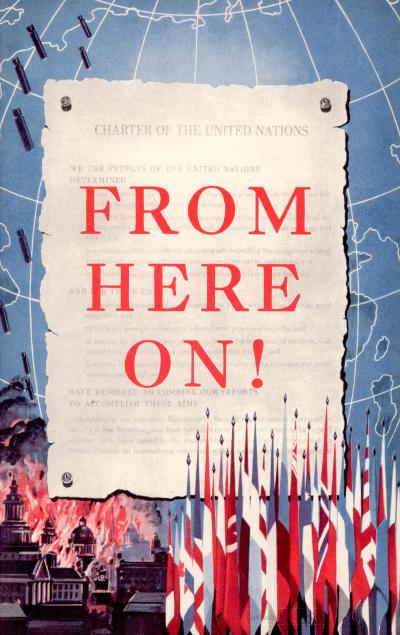
During World War II, Rotary informed and educated members about the formation of the United Nations and the importance of planning for peace. Materials such as the booklet “From Here On!” and articles in The Rotarian helped members understand the UN before it was formally established and follow its work after its charter.
Many countries were fighting the war when the term “United Nations” was first used officially in the 1942 “Declaration by United Nations.” The 26 nations that signed it pledged to uphold the ideals expressed by the United States and the United Kingdom the previous year of the common principles “on which they based their hopes for a better future for the world.”

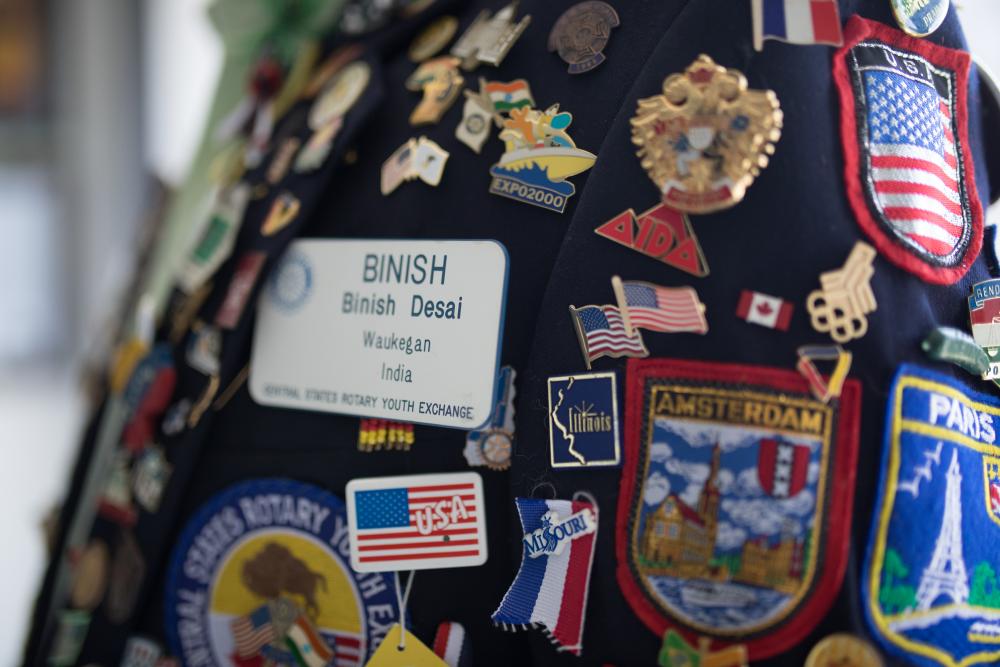 Every hero has an origin story. “I was 10 years old when the entire journey started,” explains Binish Desai. It began with a cartoon called Captain Planet, an animated TV series from the 1990s about an environmentalist with superpowers. Desai can still recite the show’s refrain: Captain Planet, he’s our hero / Gonna take pollution down to zero! “That tagline stuck in my mind,” he says. “I wanted to do something to help Captain Planet.”
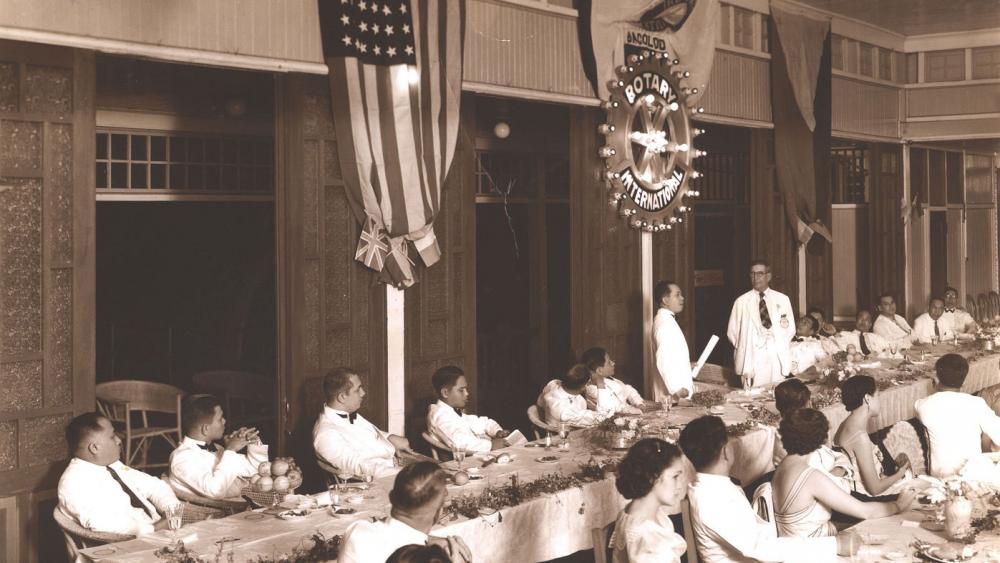 In early 1919, Rotarian Roger Pinneo of Seattle, Washington, USA, traveled to the Philippines to try to organize a Rotary club in Manila. Leon J. Lambert, a Manila business leader helped Pinneo establish the club. Several months later, on 1 June 1919, the Rotary Club of Manila was chartered and became the first Rotary club in Asia.
 Rotary and the United Nations have a shared history of working toward peace and addressing humanitarian issues around the world.